
Discovering Heritage Chicken Breeds
- birch acres
- 5 days ago
- 5 min read
Raising chickens is a rewarding experience. Choosing the right breed matters. Heritage chicken breeds offer unique benefits. They are hardy, productive, and well-suited for small farms and homesteads. I want to share insights on my top picks of heritage chicken breeds. This will help you make informed decisions for your flock.
Heritage Chicken Breeds to Consider
When selecting heritage breeds, consider traits like temperament, egg production, and adaptability. Here are some popular choices to consider:
1. Silverudd's Blue ("Swedish Isbar")
This breed is known for its hardiness and excellent egg-laying ability. Silverudd's lay large green eggs and adapt well to various climates. Silverudd's are also very productive over the winter months. They are small in size and consume less feed than the average large fowl breeds which is a highlight for farms and homesteaders alike. We find the breed friendly and curios as well, we usually have one or two that enjoy shoulder rides during chores.
2. Marans
Marans are dual-purpose birds. They provide both meat and eggs. Their friendly nature makes them a favorite among small farmers and backyard enthusiasts. Marans hens lay dark chocolate to russet toned eggs, make for decent winter layers and are in my opinion the ultimate rustic farm hen.
3. Ameraucana
Ameraucana chickens are great foragers and productive layers of medium to large sized blue eggs. Hens and Roosters alike are curious, friendly and always underfoot. They make for great starter chickens with both kids and first time chicken owners. They do not mind being handled and are not only a favourite of mine but of our kids as well.
4. Belgian Malines
Malines are very large, gentle birds with a tremendous amount of personality. They lay around 180 extra large tan speckled eggs a year and are known for their docile nature and large size. They fit in well with mixed flocks and have beautiful barred plumage and feathered shanks. Malines are highly sought after for their quality meat. Malines are also very cold tolerant.
5. American Bresse
The American Bresse stands out on our homestead as the ultimate dual purpose breed. Our lines are productive in both egg laying capabilities about 250 annually and producing cockerels that by 16 weeks provide us with a 4lbs dressed carcass for the freezer. It is important to note for homesteads and farms with children Bresse cockerels stop tolerating children around 12-14 weeks old. I find that "Bresse" are very easy to acquire these days, but buyer beware, not all Bresse are equal. Find a dedicated breeder with a concise goal to promote and preserve the breeds heritage.
These breeds are in my own experience reliable and well-suited for homesteads and small farms. They thrive in natural environments will breed naturally and allow the next generation to have a chance at doing their part to preserve the heritage breeds we know and love today. A bonus is of course the pleasure of looking at our daily rainbow egg baskets and a backyard flock to spark conversation year after year.
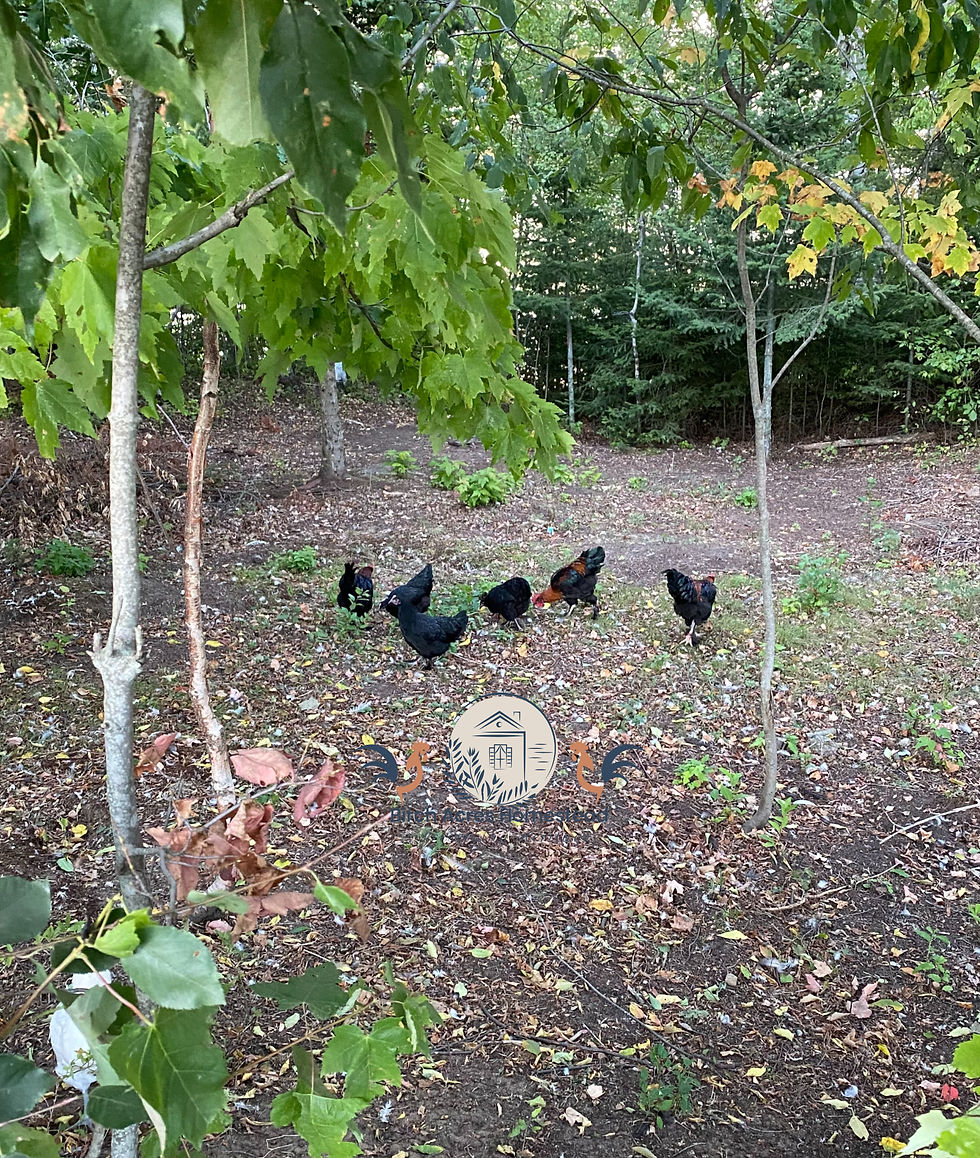
What is the heritage chicken breed?
Heritage chicken breeds are traditional breeds developed over time through natural breeding and many years of dedication from breeders focused on the same breed traits and characteristics:
Long lifespan
Natural breeding ability
Slow growth rate
Adaptability to outdoor environments
Temperament
Laying ability
Egg shell colour and quality
Breed type (Weight, Shape, Beak colour etc.)
Unlike commercial hybrids, heritage breeds are not bred for rapid growth or maximum production. They maintain genetic diversity and resilience. This makes them ideal for sustainable farming.
Heritage breeds also tend to have better flavor and texture in their meat. Their eggs often have richer yolks. These qualities appeal to those who value quality over quantity.
Benefits of Raising Heritage Chicken Breeds
Raising heritage breeds offers several advantages:
Hardiness: They resist common diseases better than commercial breeds.
Foraging ability: They thrive on pasture and natural feed.
Longevity: They live and produce eggs for many years.
Genetic diversity: They help preserve poultry biodiversity.
Flavor: Their meat and eggs have superior taste.
These benefits align with sustainable and ethical farming practices. Heritage breeds require less intervention and can be raised organically. They fit well into small-scale, low-input systems.
How to Choose the Right Heritage Breed for Your Farm
Choosing the right breed depends on your goals and environment. Consider these factors:
Climate: Some breeds tolerate cold better like Ameraucana with their pea combs (less likely to suffer from frostbite on their combs). Others do well in warmer areas such as the Single comb breeds who can be prone to frostbite if not housed appropriately over the Canadian winters.
Purpose: Decide if you want eggs, meat, or both. Dual-purpose breeds like The American Bresse, and Malines provide versatility, while the smaller Silverudd's make for better layers as opposed to meat production.
Space: Some breeds need more room to roam. Foragers like the American Bresse do best with pasture access.
Temperament: Do you have children and will they be around your flock? Friendly breeds are easier to handle for both adults and children of all ages.
Availability: Often times with small heritage breeders you will be on a waitlist. This is due to availability of eggs and chicks. Hens can have varying laying cycles and most breeds are at the peak of their cycle during the spring months leaving a small window for breeders to fulfill requests.
Quality: It is relevant and should be at the top of everyone's list to source your chickens from a breeder focused on the quality of their breeding stock. If you are interested in breeds that are recognized by the American Poultry Association it is important to find out if the breeder is following the breed standard for the breed or breeds you are interested in.
Start with a small number to see how they adapt. Observe their health, egg production, and behavior. Adjust your choices based on experience.

Where to Find Quality Heritage Chicken Breeds
Finding quality chicks or hatching eggs is crucial. I recommend sourcing from reputable breeders who focus on breed quality and health. Find a breeder who specializes in heritage chicken breeds.
When searching, look for:
Clear breed information: the breeder is knowledgeable about their breeds and is able to answer your questions
Bio-Security is important to the breeder: we personally breed from closed flocks, This means that we do not bring in poultry from other farms and we do not allow poultry owners on the property. This ensures there is less risk of spreading poultry viruses
Quality is priority over quantity
Does the breeder follow the breed standard (for recognized breeds)
Buying from a reliable source ensures you get strong, healthy birds. It also supports the preservation of heritage breeds.
Tips for Raising Heritage Chickens Successfully
To get the best results, follow these tips:
Provide ample outdoor space for foraging.
Use predator-proof housing with good ventilation.
Feed a balanced diet with access to grit and clean water.
Monitor health regularly and isolate sick birds.
Collect eggs daily to maintain cleanliness.
Allow natural behaviors like dust bathing and scratching.
Heritage breeds benefit from a natural lifestyle. Avoid overcrowding and stress. This promotes better growth and egg production.
Expanding Your Flock with Heritage Breeds
As your confidence grows, consider expanding your flock. Adding different heritage breeds can diversify your egg colors and meat flavors. It also strengthens your farm’s resilience.
Keep detailed records of each breed’s performance. This helps you select the best birds for breeding. Over time, you can develop a flock tailored to your specific needs.
Choosing the right heritage chicken breeds is a key step in building a sustainable and productive homestead or small farm. These breeds offer durability, quality, and a connection to traditional farming. By selecting carefully and sourcing responsibly, you can enjoy the many benefits they provide. For those looking to start or expand their flock, The Birch Acres family is happy to answer any questions you may have about our heritage breeds and our flock management program.
Comments